This week's weather appears as a statement of intent about the changing seasons, though for migrating birds 'autumn' has of course been underway for some weeks. Yesterday I met up with my parents on Portland to see what was about on a day which started out fine and bright, but which saw torrential rain by lunchtime, arriving just in time to give us soggy chips at the Bill's Lobster Pot café.
 |
| Wryneck, Portland Bill |
 |
| Probably the best view I have had of this species |
 |
| Photographing it in dappled light on the ground was tricky... |
 |
| ...but the cryptic plumage can be seen well here |
 |
| And here's a clue to how the Wryneck got it's name |
Shortly before the downpour, we had jammed in on a long-staying Wryneck in the Obs quarry - not only was it on view as soon as we arrived, shortly after it was flushed by a rat and perched up to give unusually good and extended views of this often shy species. Apart from Wheatears, common migrants were thin on the ground on Portland, though there were plenty of hirundines in the air feeding up before the long journey south.
 |
| Northern Wheatear at the Bill |
 |
| One of nine in the same paddock |
 |
| Not just migrant birds on Portland - there were many Red Admiral around too |
 |
| The resident Rock Pipits entertained us while we sat for lunch |
 |
| Most of the Wheatears were sporting the tawny female-type plumage - but at least one male (left) was among them |
In contrast to the shortage of common migrants on Portland, a visit to Greenlands Farm near Studland a couple of weekends ago saw the fields and woods alive with them. Yellow Wagtails were particularly entertaining and I spent a warm morning stalking them, hiding behind gorse bushes and acting like a horse in an effort to gain their trust. Suffice to say I got closer to the horses than the wagtails.
 |
| Yellow Wagtail, Greenlands Farm |
 |
| The wagtail flock follows cattle and horses around the National Trust land at Greenlands... |
 |
| ...feeding right under the noses and feet of the livestock |
 |
| This blue-grey headed individual didn't look like the regular British race - enquiries are underway to establish what flava it might be, but it's presumably of continental origin |
 |
| Good to see these migrants on the ground rather than just flying overhead calling |
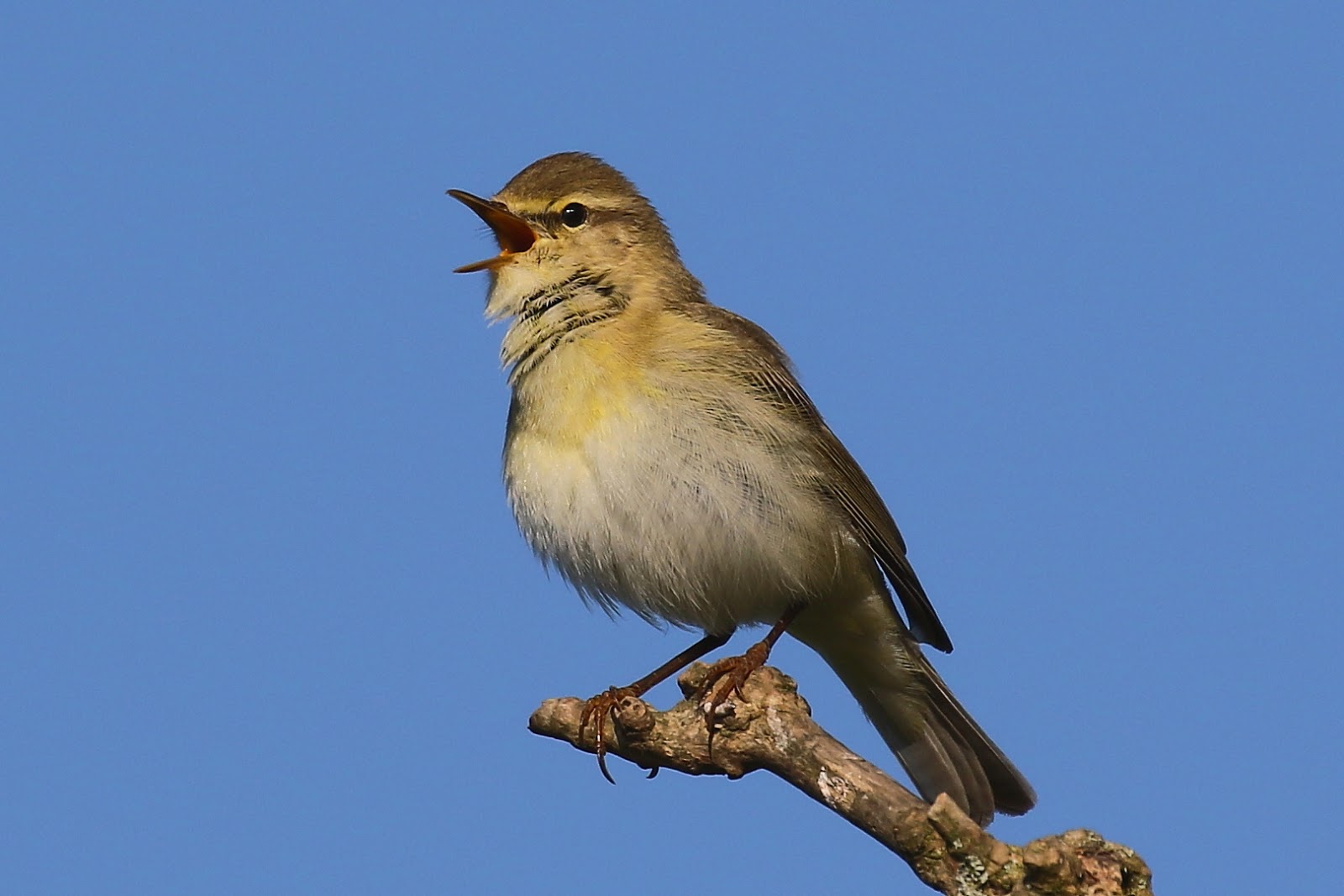
While the Yellow Wagtails dominated the paddocks at Greenlands, Willow Warbler was the most numerous migrant around the forest edge - every tree seemed to contain two or three - with Common Redstart, Spotted Flycatcher and Whitethroat present in smaller numbers.
 |
| Redstarts seem to like Greenlands - here a male... |
 |
| ...and here a female |
 |
| Willow Warbler |
 |
| Willow Warbler |
 |
| Spotted Flycatcher |
 |
| Spotted Flycatcher |
I became enamoured with Greenlands Farm during a
late summer bird race in 2015 - the concentration of migrants there at this time of year puts my own patch at Swineham to shame - a good excuse for my continued neglect of the latter! Purists would no doubt castigate me for forsaking my own patch to go farther afield where the grass is greener - I would merely point at that many hard core patch workers travel further to get to their 'local' patch than I do to get to Greenlands!
 |
| Common Whitethroat, Greenlands Farm |
 |
| Wheatear, Greenlands Farm |
 |
| Wheatear, Greenlands Farm |
 |
| House Martins were gathering around Manor Farm on Studland at the end of August |
 |
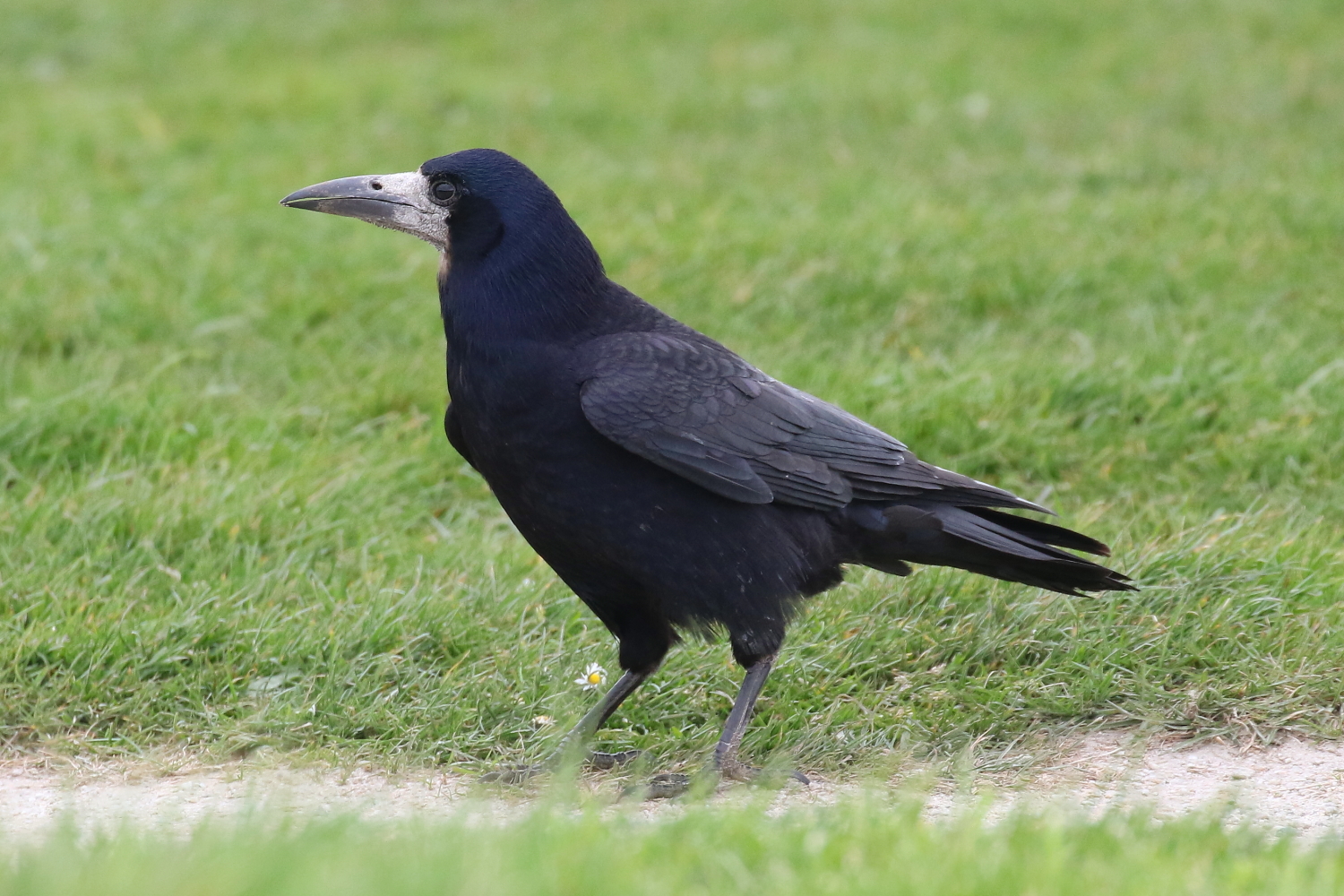
| This rare visitor to Poole Harbour, a Hooded Crow, was also at Manor Farm |